There’s a difference between seeing a problem and preventing one is not a question of tooling. It is a question of operational posture.
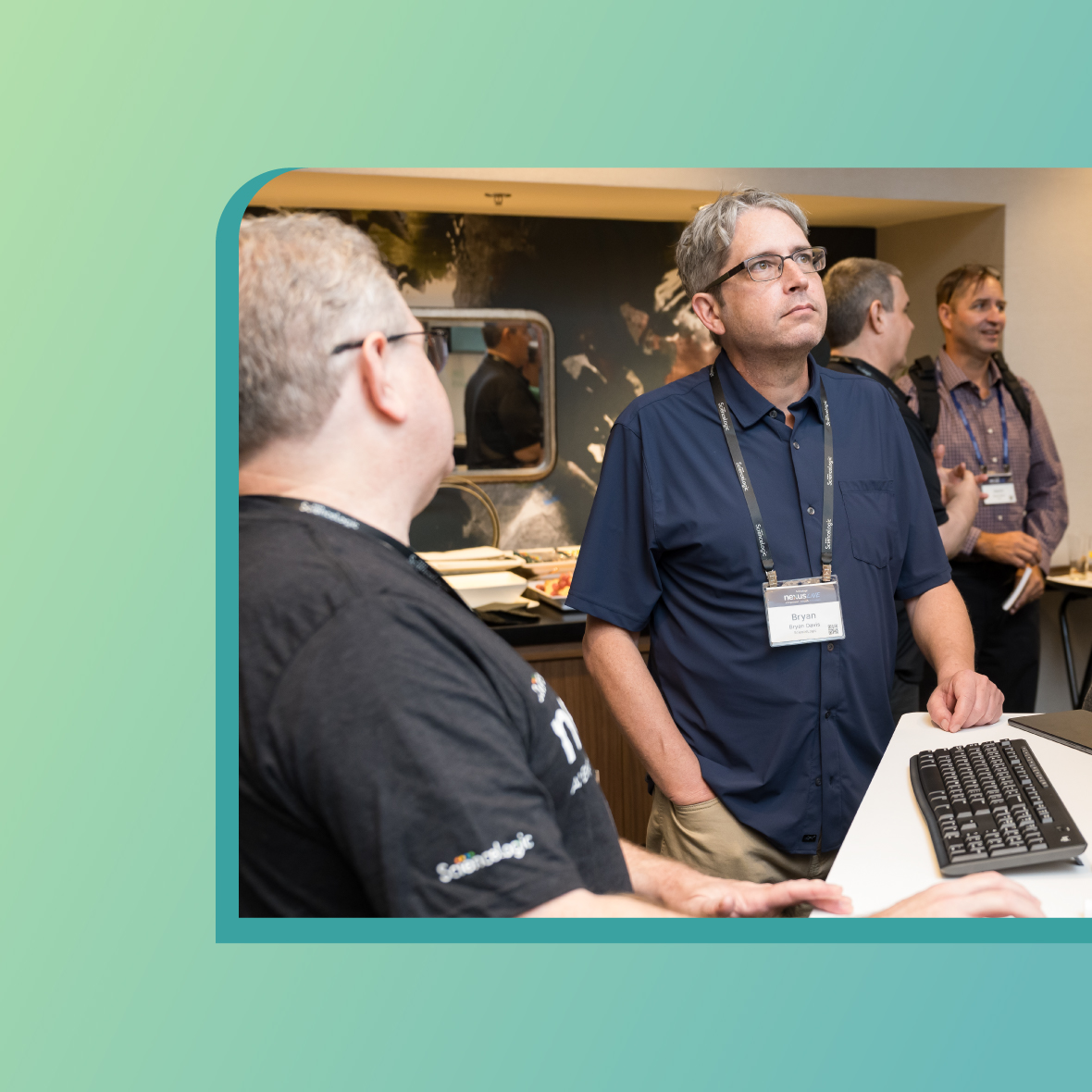
Across eleven operator interviews at Nexus Live, a consistent pattern emerged. Teams are not struggling because they lack visibility. They are struggling because visibility alone does not produce confidence. Alert floods, late root cause discovery, and 3am escalations have become normalized in hybrid environments. The result is not just fatigue. It is erosion of trust.
Trust between teams. Trust in systems. Trust in the data presented to executives.
One operator described the burden of massive telemetry streams that required constant interpretation and manual correlation. Another referenced false positives that triggered unnecessary escalations. In both cases, the issue was not the absence of monitoring. It was the absence of prioritized, contextualized action.
Reactive operations create a posture of defense. Teams wait for alerts, assemble bridge calls, and search for root cause while customers wait. Over time, that posture becomes expensive. It affects SLA confidence, executive reporting credibility, and customer perception of reliability. This shift changes the mandate for IT operations leaders. Responding to alerts is no longer sufficient. The mandate is now preventing service disruption before it compounds into SLA exposure.
Proactive operations shift the posture entirely.
Instead of responding to noise, teams operate with correlated insight that surface service impact before customers feel it. Instead of reacting to alerts, they receive prioritized guidance that reflects business context. Instead of late-night escalations, they detect degradation patterns before those patterns become incidents.
Without service context, alert volume increases risk. With service context, alert intelligence protects reliability.
AI-driven operations do not resolve fragmented environments. They amplify whatever operational maturity exists beneath them. When telemetry is normalized, service relationships are modeled, and recommendations are traceable, AI becomes a force multiplier for operational confidence.
When systems correlate signals across hybrid cloud environments, identify probable root cause, and prioritize incidents based on service impact, operators regain something essential. Confidence.
Operational confidence enables Trust at Scale. Trust that SLAs are defensible. Trust that executives are seeing accurate service health. Trust that teams can move from firefighting to foresight.
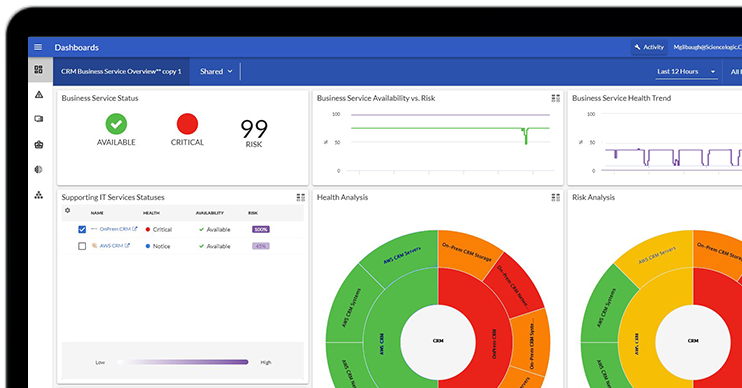
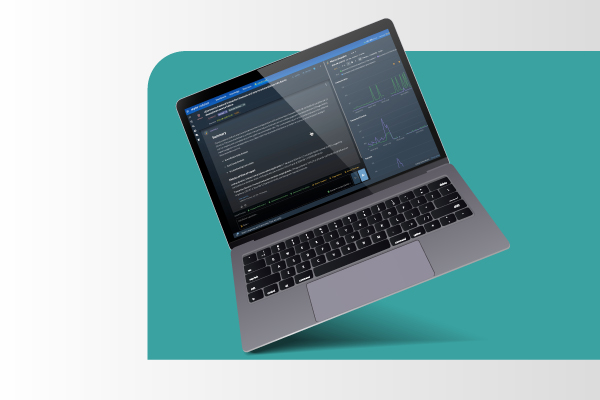
Skylar Advisor accelerates this shift by enriching events with contextual insight, business-aware prioritization, and traceable reasoning. By correlating signals across hybrid environments and surfacing probable cause before escalation occurs, it narrows the gap between detection and confident action. When recommendations are explainable and grounded in service context, teams can move from reactive response to proactive prevention without relying on manual triage to carry the load.
The future of observability is not more data. It is decisive, trusted action built on contextual intelligence that can be explained and defended. Organizations that make that shift first will define what Trust at Scale truly means in hybrid operations.
For operations teams evaluating the shift from alerting to assurance, three conditions define readiness: whether service context is available when an alert fires, whether the platform surfaces probable cause before escalation becomes necessary, and whether recommendations can be traced to the signals that informed them. Where those conditions are absent, alert fatigue compounds. Where they are present, trust scales.
If your operations environment is generating more alerts than your teams can confidently act on, the gap between alerting and assurance is compounding SLA exposure and eroding executive confidence. Explore how Skylar Advisor helps IT operations teams build Trust at Scale, or request a platform walkthrough to evaluate where context, speed, and governed reasoning can close that gap.