Modern IT operations sit at the center of revenue, customer experience, and business continuity. Every decision engineers make influences far more than the technical domain, which is why teams need intelligence they can validate, reasoning they can understand, and guidance they can rely on. In an environment shaped by rapid change and expanding dependencies, decisions must be grounded in accuracy and context to avoid unnecessary risk.
The Cost of Uncertainty in Modern Operations
Hybrid environments continue to grow in scale and interdependence. Telemetry volumes rise, change velocity increases, and service chains become more intricate. Although AI has entered the operational landscape, not all AI is designed for enterprise-grade decision-making. Many systems provide surface-level answers, offer suggestions without explanation, or overlook the downstream effects of an action.
In consumer settings, that may be acceptable. In enterprise IT, where downtime can escalate into financial and reputational damage, incomplete guidance erodes confidence. Organizations that excel recognize that reliable intelligence is a requirement for safe, resilient operations and a key differentiator in performance.
Why Generic AI Falls Short During Time-Sensitive Events
Most AI assistants deliver answers, but answers alone do not drive sound action when services degrade or incidents unfold. Operators need to understand why an issue is occurring, how critical services are affected, what caused the behavior, and which actions reduce risk. They must be able to follow the reasoning and confirm that the AI understands the environment’s real state.
Generic models often miss core operational realities, including:
- The business impact tied to affected services
- The relationships within a service topology
- The influence of recent changes or historical behavior
- The operational risk associated with each potential action
Without this context, recommendations may sound plausible but lack the depth required for safe validation. During time-sensitive events, this gap can lead to decisions that inadvertently worsen a disruption or trigger new instability.
The Shift Toward Trusted, Explainable Intelligence
Enterprises are moving toward AI systems that strengthen human judgment. Trusted intelligence goes beyond presenting information; it offers reasoning that is transparent, aligned with operational realities, and easy for teams to evaluate. Leaders expect intelligence that supports consistent decisions and can withstand scrutiny across technical and leadership audiences.
Expectations now include:
- Clear insight into how conclusions are formed
- Alignment with real-time data and service impact
- Recommendations that teams can validate quickly
- Reasoning that is consistent, reviewable, and repeatable
This shift is redefining how organizations evaluate AI. Leaders are prioritizing systems that deliver dependable, contextualized guidance because these qualities directly influence operational maturity and risk posture.
How Skylar Advisor Delivers Reliable, Contextual Guidance
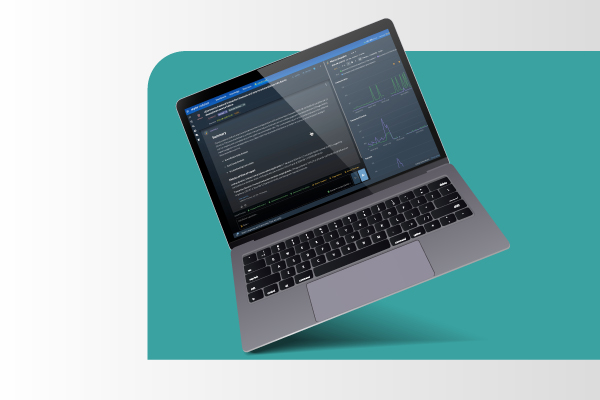
Skylar Advisor is built on an agentic AI engine purpose-built for operational decision-making. It evaluates, verifies, and explains. By combining telemetry, topology, historical patterns, and institutional knowledge, it produces guidance grounded in real-time operational conditions.
When an issue emerges, Skylar Advisor correlates signals, identifies likely root causes, explains its reasoning, and surfaces recommended next steps that teams can validate. Instead of generic options, operators receive structured, contextual guidance that reduces cognitive load and improves consistency.
This approach gives teams dependable insight during fast-moving conditions. Advisor removes ambiguity by grounding every recommendation in environment-specific context. The result is safer, more consistent action and clearer pathways toward resolution.
The Business Value of Decisions You Can Validate
Organizations adopting explainable, contextual AI see measurable improvements in operational performance, such as:
- Faster, more accurate triage
- Reduced escalations and cognitive burden
- Improved SLA adherence and lower downtime
- Greater consistency across teams and shifts
When teams understand the reasoning behind a recommendation, they act with greater steadiness and avoid unnecessary risk. AI that provides verifiable guidance accelerates recovery and supports predictable operations.
There is cultural benefit as well. Junior engineers gain confidence, senior engineers spend less time revalidating steps, and leaders gain clearer insight into how decisions are made. This consistency strengthens alignment and enhances the effectiveness of the entire operational function.
A Defining Advantage for the Next Era of IT Operations
As enterprises move toward more proactive, AI-driven operations, the distinction between generic tools and trustworthy intelligence will determine which systems endure. The future belongs to AI that is verifiable, contextual, and operationally aligned.
Skylar Advisor reflects this shift. It delivers intelligence teams can rely on and transforms decision-making from a risk factor into a strategic strength.
Ready to strengthen operational confidence across your hybrid environment? Explore how Skylar Advisor provides trustworthy, explainable intelligence that reduces risk, accelerates resolution, and drives measurable business outcomes for modern IT operations.