Co-author: Jared Hensle, Sr. Director of Product Marketing
When technology works, businesses thrive. Employees stay productive, customers stay connected, and critical services keep running. But when something goes wrong, the real challenge is not only detecting the issue. It is understanding what it affects, who may fell the impact, and how urgently the business needs to respond.
That is the value behind the Kyoto release.
The latest Skylar One update helps teams better connect IT health to business impact. With improved visibility across locations, services, infrastructure relationships, and user experience, organizations can better understand where issues are happening, what they affect, and how quickly teams should act.
Less Alert Noise, More Business Context
Most IT teams already have plenty of data. What they often need is more context that connects technical telemetry to service impact.
An alert may tell a team that something needs attention, but it does not always explain whether a critical service is affected, whether a location is at risk, or whether users are starting to feel the impact. This gap is where decision latency begins. Kyoto helps bring those pieces closer together, so teams can prioritize with more confidence.
For business leaders, that means fewer conversations centered only on technical symptoms, and more conversations focused on service impact, operational risk, and what needs to happen next.
Better Visibility Across Distributed Environments
Many organizations operate across multiple offices, regions, campuses, branches, data centers, and cloud environments. When an issue appears, leaders need to understand whether it is limited to one location or whether it could affect a broader part of the business.
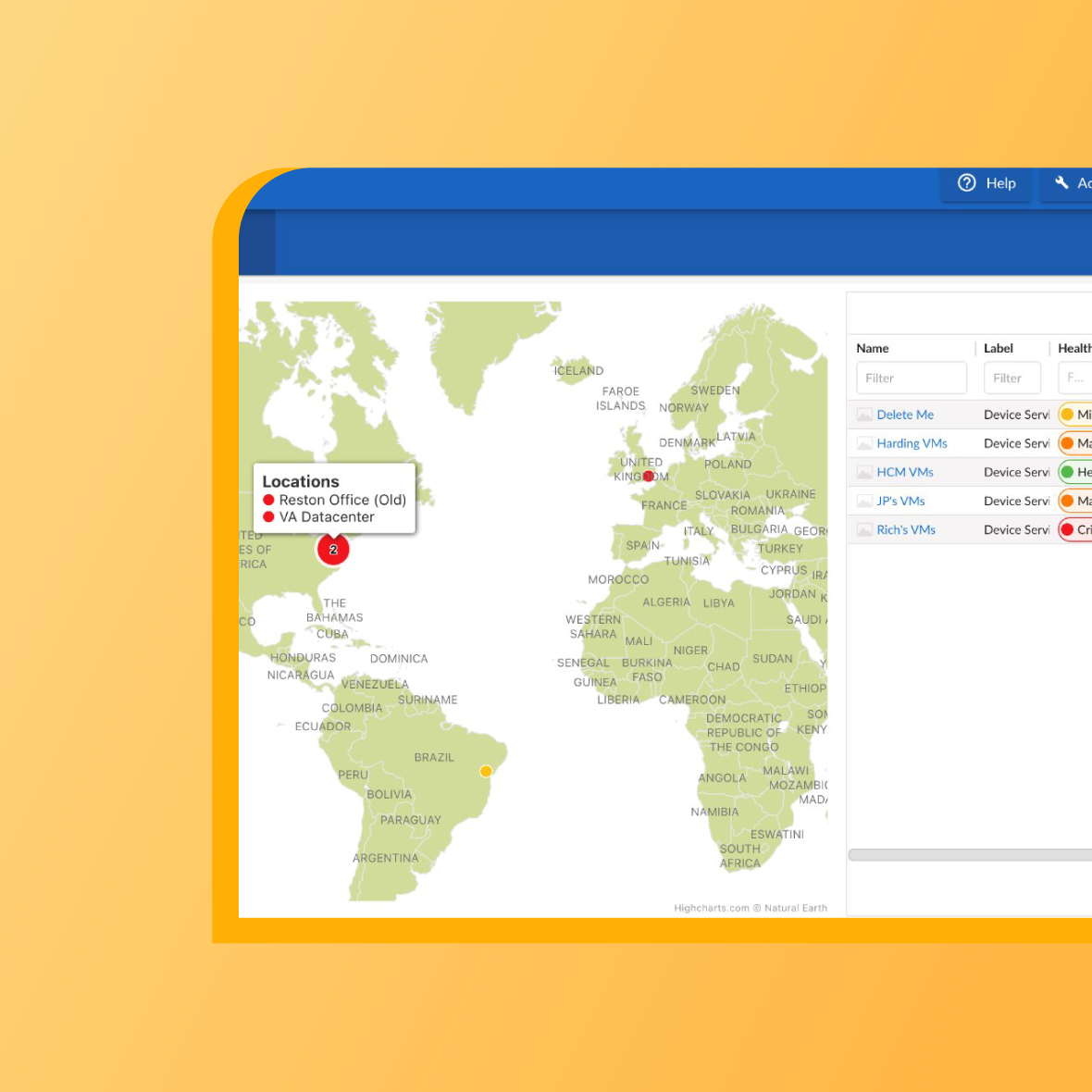
The geographic visibility improvements in Kyoto help IT teams understand issues in the context of physical locations and distributed environments. That context is especially valuable for businesses with retail sites, field locations, regional offices, campuses, managed services, or other location-dependent operations.
When teams can see where a problem is happening, they can make faster decisions and communicate more clearly with the people who need to know. Visibility is not the end goal. The goal is a shared understanding of where risk is forming and what action should follow.
A Clearer View of Business Service Impact
Technology matters because it enables the services people rely on every day: customer-facing applications, employee workflows, operational systems, and business-critical processes.
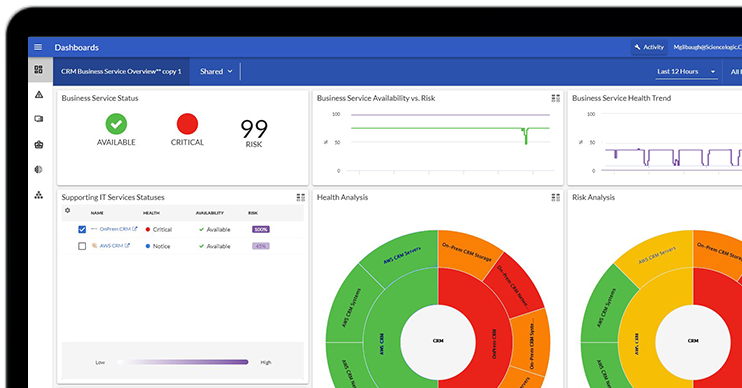
The business service enhancements in Kyoto help teams better understand how infrastructure issues may affect those services. This makes it easier to move from a technical event to a business-relevant answer: what is affected, who may be impacted, and how urgent the response is. It also helps teams distinguish technical noise from issues that threaten customer experience, employee productivity, or operational continuity.
That kind of clarity helps IT and business stakeholders stay aligned during incidents and planning conversations.
Faster Prioritization When It Matters
During an incident, every minute spent sorting through noise is time that could be spent understanding the impact and resolving the issue.
By connecting context across services, locations, infrastructure relationships, and user experience, this release helps teams separate lower-priority technical events from issues that could have real business consequences.
That supports faster escalation, better resource allocation, and more confident decision-making. It also helps leadership understand why certain issues are being prioritized and what risks are being addressed. The issue is not alert volume alone. It is whether teams can move from signal to service impact and action.
Better Alignment Between IT and the Business
One of the biggest benefits of stronger operational context is clearer communication.
When IT can explain issues in terms of service impact, user experience, and location-based risk, business stakeholders get a clearer understanding of what is happening. That shared language makes it easier to align on priorities, reduce confusion, and build confidence in how incidents are being managed.
Kyoto supports that shift. It gives technical teams more of the context they need explain impact, urgency, and resolution more clearly.
What organizations gain
With Kyoto, organizations can improve how they understand, prioritize, and respond to technology issues across the business.
Key areas of value include:
- Clearer visibility into service-impacting issues
- Better understanding of risk across locations and distrusted environments
- Stronger alignment between IT teams and business stakeholders
- Faster prioritization based on service and business impact
- More effective communication during operational events
- Greater confidence in IT’s ability to protect business continuity
The result is a more connected view of IT operations – one that helps teams make better decisions before technical issues expand into business disruption.
The Bottom Line
Technology issues become business issues when they affect people, services, locations, or customer experiences.
This release helps organizations see those connections more clearly. By improving visibility into where issues happen, what services they touch, and how they may affect users, Skylar One gives teams a more practical way to focus on what matters most: understanding impact, prioritizing response, and protecting business continuity.
Upgrade today to Skylar One v12.5.20 Kyoto to strengthen how IT and business teams prioritize service-impacting issues.