Compliance Has Moved Into the Operating Environment
For CIOs, compliance is no longer simply a box to check at audit time. It has become part of the operating standard for resilient, accountable, and well-managed enterprise IT.
The reason is straightforward: enterprise technology environments change continuously.
Infrastructure scales. Configurations change. Cloud resources move. Exceptions accumulate. Dependencies evolve across hybrid and distributed architectures. A control that was documented and validated during the last review may no longer reflect what is running today.
That creates a growing gap between what an organization believes is compliant and what is true in its operating environment.
Organizations that maintain a current view of their environment, identify control drift, and preserve operational evidence are better prepared not only for audits, but also for incidents, customer security reviews, regulatory questions, and executive risk discussions.
Regulatory requirements reinforce the importance of that operational discipline. For organizations within their respective scopes, frameworks such as DORA and NIS2 emphasize ICT and cybersecurity risk management, resilience, governance, and incident reporting. In the United States, SEC cybersecurity disclosure requirements place additional expectations on covered public companies around material cybersecurity incidents and cybersecurity risk management, strategy, and governance.
These requirements do not prescribe a single model for continuous compliance. But they point to a broader reality for IT leaders: organizations increasingly need current, defensible evidence of how technology risk is being managed.
The Real Risk Is Compliance Drift
Compliance problems rarely begin on audit day.
They develop gradually as the operating environment moves away from its expected control state.
A configuration changes. An exception remains open longer than intended. A remediation gets delayed. A device is updated, but the compliance record does not keep pace. A dependency changes and introduces a new risk.
Each decision may be reasonable on its own. Over time, however, those decisions can create compliance drift: the gradual separation between approved policies and controls and the live state of the technology environment.
That is what makes drift difficult to manage. It develops through ordinary operational activity.
IT teams make decisions every day to maintain availability, improve performance, respond to incidents, and support business priorities. The problem is not that teams are careless. The problem is that infrastructure changes continuously while many compliance processes still operate periodically.
For leadership, that creates a confidence gap.
An organization may have passed its most recent audit, maintained required policies, and documented approved controls. None of those things, on their own, prove that the current environment remains aligned with those controls.
When teams cannot validate the live state of infrastructure against policy, confidence starts to depend on assumptions instead of evidence.
Evidence Must Exist Before Scrutiny Arrives
Compliance pressure often appears at the exact moment an organization has the least time to reconstruct the past.
An audit begins. A regulator asks a question. A customer launches a security review. A cybersecurity incident reaches the executive team.
Suddenly, leaders need clear answers:
- What changed?
- Which systems were affected?
- Which policies and controls applied?
- What corrective actions were taken?
- Who approved an exception or remediation decision?
When evidence has not been captured during normal operations, teams must assemble it under pressure.
They may need to pull information from configuration histories, tickets, logs, spreadsheets, individual system owners, and disconnected tools, often while the same teams are already managing an incident or audit.
The cost is not only time. It is decision confidence.
Reconstructing events after the fact introduces uncertainty. Even when teams eventually find the information they need, the process can weaken confidence in how consistently the environment is governed.
A stronger model is to make audit readiness an outcome of everyday operational control.
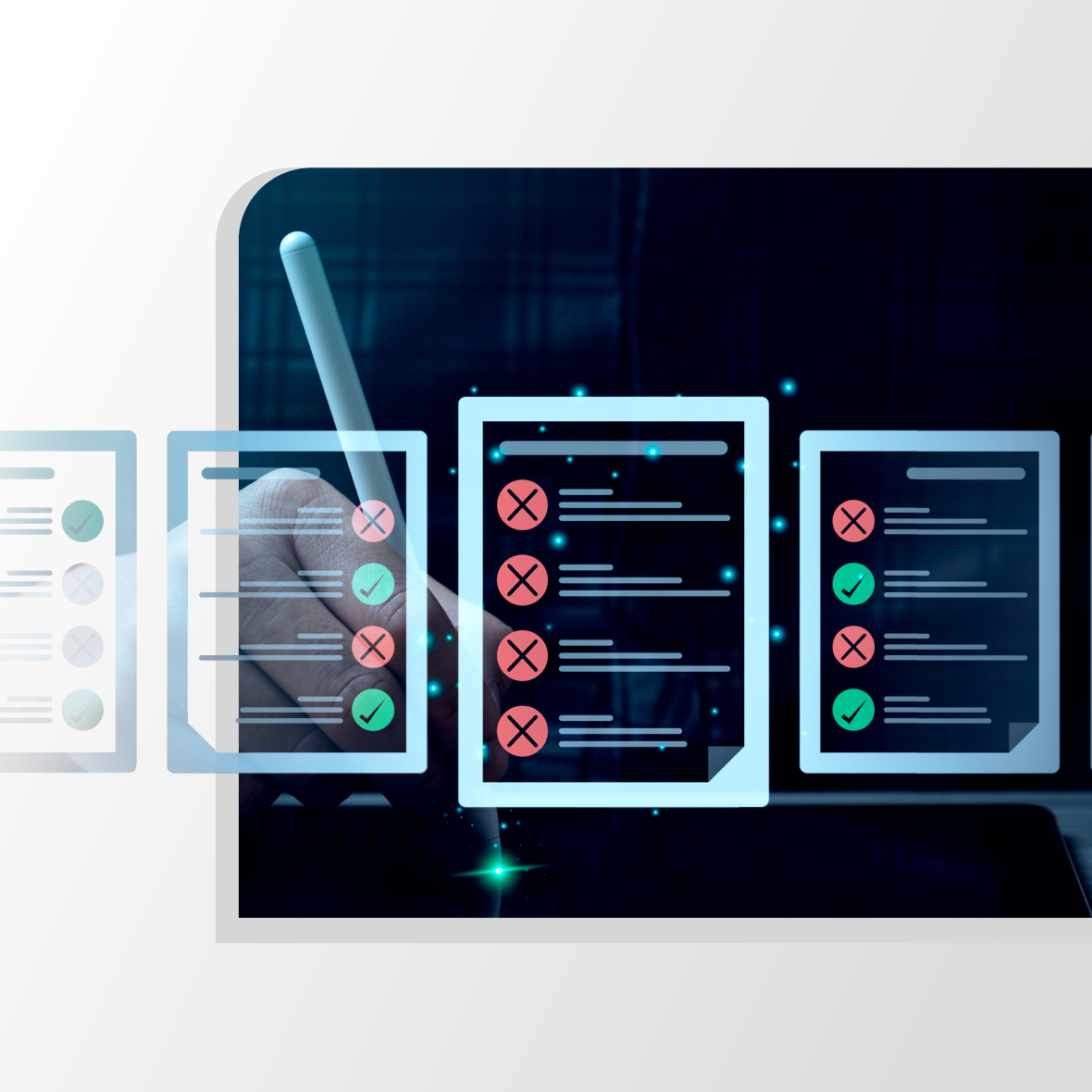
When configuration changes, policy checks, remediation actions, exceptions, and approvals become part of the operational record as work happens, evidence is no longer a last-minute project. It becomes a natural byproduct of operating IT.
From Periodic Readiness to Continuous Control
This shift changes the mandate for CIOs.
Periodic compliance readiness is no longer enough. The mandate is to maintain a current, defensible control state as the environment changes.
Organizations need a current understanding of:
- where controls remain effective,
- where operating conditions have changed,
- where policy and infrastructure have diverged, and
- where intervention may be required.
That does not mean eliminating audits, governance teams, or human oversight. It means giving those functions better operational information.
Automation can play an important role. It can help organizations detect configuration changes, validate policies, maintain evidence, identify potential violations, and prioritize areas that require attention.
The mechanics matter. Skylar Compliance is introducing more guided rule creation and validation capabilities so teams can define policy logic, filters, remediation, and test data before a rule goes live. Device-aware filters can narrow when a rule should run, while test data helps teams document what should and should not pass and validate more complex Regex or Lua logic before enforcement.
These capabilities make continuous control more practical because they reduce the friction between defining policy and validating how that policy will behave in a live environment.
Recent improvements also strengthen the evidence layer. Phrase- and Regex-based violations can surface the relevant file, line number, and line directly in violation details, while compliance transcripts can help teams investigate unexpected rule behavior.
The value is not simply more information. It is a clearer path from policy violation to evidence, diagnosis, and corrective action.
Human judgment remains essential.
Teams still need people to interpret policy, assess business context, evaluate exceptions, determine risk, and decide on the appropriate response. The goal is not compliance without people. It is to give people better evidence before they need it.
That distinction becomes even more important as compliance automation advances. Planned governed approval workflows for auto-remediation are intended to place policy and approval boundaries around automated corrective action.
The direction matters: faster execution should not mean weaker control. Automation becomes more valuable when teams can define what may execute automatically, what requires approval, and how the result is verified.
Make Compliance Part of How IT Operates
Compliance rarely fails only on audit day.
It erodes quietly when infrastructure changes and the organization cannot see where policy and operating reality have moved apart.
For CIOs, closing that gap is now part of resilient enterprise IT. The organizations best positioned for the future will not treat compliance evidence as something they assemble for an audit. They will build it into the way technology is observed, governed, and operated every day.
That is the shift from periodic compliance readiness to continuous control.
And it raises the next question: How can IT organizations build continuous control into everyday operations without adding more manual work for already stretched teams?
That is where intelligent automation, observability, and decision-ready operational insight begin to change the equation. Skylar Compliance is moving in that direction through capabilities designed to make policy creation easier to validate, violations easier to investigate, and remediation more explicitly governed.
Ready to explore how trusted operational intelligence can strengthen resilience and help teams move from reactive evidence collection toward continuous control? Explore ScienceLogic’s approach to intelligent IT operations.